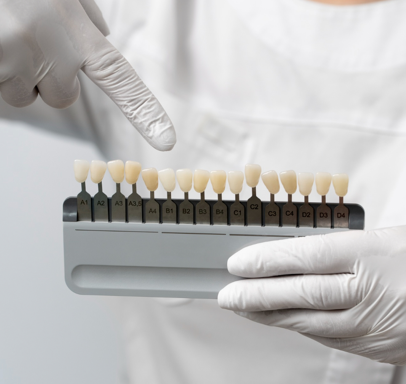
The terms dental veneers or crowns represent popular dental treatments that enhance both the appearance and functionality of a person’s teeth. These two options look similar to a normal eye once the procedure is complete. However, they fulfill very different dental needs and purposes.
There are several key differences between these treatments that you need to know. This is the only way to make an informed decision about your future cosmetic dentistry plans in the United Kingdom.
This blog covers both veneers and crowns in great detail. Let’s look at their key features to help you select a suitable treatment option. So without any further ado let’s get right into it.

This treatment uses thin shells of porcelain or composite resin that attach to the front surfaces of your teeth. This treatment corrects aesthetic problems to enhance your smile.
According to research, the global dental veneers market was valued at around USD 2.47 billion in the previous year. This market possesses the potential to reach USD 2.65 billion in 2025.
People who have teeth with deep stains or small chips can use this treatment. Experts also suggest the porcelain veneers treatment for minor misalignment or small gaps in your teeth.
This treatment needs minimal tooth reduction, which makes it less invasive. A veneer tends to last 10–15 years if you pay attention to its proper maintenance. The minimum enamel removal, along with a natural appearance, makes this treatment an ideal option.
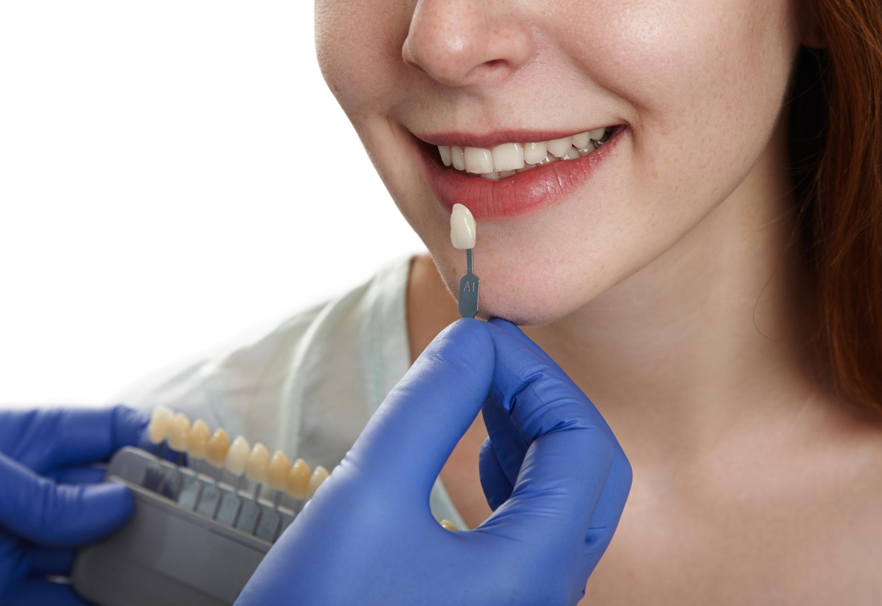
Research shows an increase of approximately 54.8% of public interest in veneer treatment in the last few years. Here is how this procedure goes.
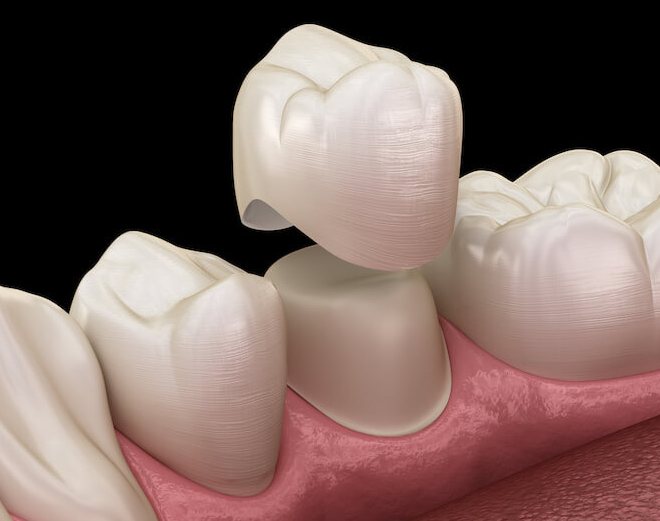
A dental crown is a cover that wraps around the original tooth like a cap. This treatment restores the strength as well as the appearance of your teeth.
A report by Fortune Business Insights shows that the global dental crowns market was valued at USD 3.19 billion in 2024.. By 2032 this market will likely exceed USD 5.10 billion according to recent projections.
Experts advise dental crowns if you have large fillings that accompany extensive tooth decay. People with cracked tooth issues or root canal treatment can also benefit from a dental crown.
This treatment enhances the function and aesthetics of your teeth. This is especially an effective choice for molars and premolars that bear extreme chewing forces.
This treatment reinforces the weakened teeth, which restores full biting power. A dental crown treatment is also known for its high durability. This treatment lasts 10–20 years with minimum care. The only drawback of this treatment is that it requires more extensive tooth reshaping compared to veneers.
Clinical research shows that with a dental crown, you get a survival rate of more than 80–90% at 5–10 years. This makes it a highly durable treatment option with great long-term value.
Here is how a complete dental crown procedure goes.
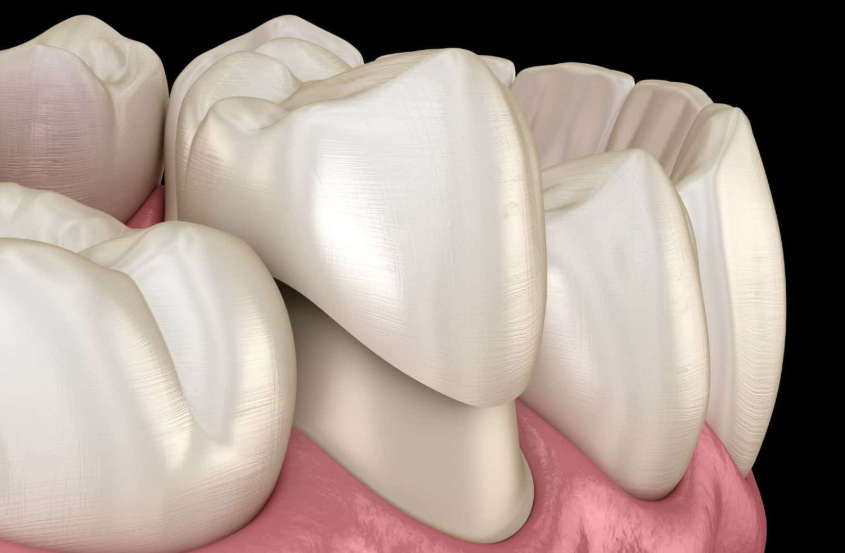
This section lists some major differences between veneers and crowns. So keep on reading till the end to know what sets these dental health treatments apart.
Veneers come in the following material types.
You can find crowns in a wide range of materials, such as.
Veneers cover only the visible part of the front surface of your teeth. This treatment is ideal for cosmetic improvements as it preserves most of the natural tooth.
Crowns act like a cap that covers the entire tooth. They extend around all sides and even cover the biting surface.
Veneers mainly enhance the cosmetic elements of your teeth. You can use them to restore the natural color or shape of the teeth. These do not provide structural support to damaged teeth.
Crowns, on the other hand, serve both restorative and cosmetic purposes. They strengthen structurally weak teeth which enhances your oral health.
The level of invasiveness is also different for these procedures. Veneers need minimal enamel removal. This is a more conservative approach, which helps maintain more of your natural tooth.
With crowns, the dentists reshape a significant part of your teeth from every side. This reduces the size of the teeth, which makes it a more invasive procedure.
The amount of support or protection that these treatments provide also differs. Veneers add some surface-level strength to your teeth. They do not reinforce the tooth’s structure like crowns. This makes them less effective for people whose teeth are weak.
Crowns give your teeth maximum strength and protection. They enable patients to chew normally and prevent the risks of further damage.
These treatments differ in terms of their lifespans as well. Veneers tend to last 10–15 years. These are prone to chipping, especially if you have a habit of grinding or biting hard.
Crowns can last 15–20 years. The lifespan is even more if you go with materials such as porcelain-fused-to-metal or zirconia.
People with healthy teeth who only need cosmetic corrections should go with this option. Veneers resolve cosmetic issues in the color, shape, or alignment of your teeth.
You can also use it to treat discoloration as well as small teeth gaps. This treatment preserves the natural tooth structure, which makes it perfect for anterior teeth.
You need a crown if one or more of your teeth crack or decay at the same time. Doctors also suggest crows to people who need a root canal treatment.
This treatment is perfect for patients who want both structural support as well as cosmetic improvement in their teeth. People who have teeth with a large filling that now exceeds about 50% of the tooth also need this treatment. Severe wear from grinding or bite issues also necessitates this treatment for some people.
Dental veneers and crowns both dramatically enhance your oral health. Veneers deliver cosmetic refinement while crowns enhance your teeth’s protection as well as strength.
To make the right choice you need to understand the elements that make these treatments unique. Veneers can give you bright teeth with an even smile. Crowns can make your structurally weak teeth stronger as well as more aesthetic.
It is always a better idea to consult with a specialist before you choose between these two options. This can give you a smile that is not only beautiful but also healthy in every way.
Visit us at Specialist Dental Services today to get the top-quality dental veneer and dental crown treatments to enjoy the best oral health for years to come.
Veneers only wrap around the front surface of the tooth. Crowns cover the full tooth. Veneers are less invasive, while crowns need more tooth adjustment.
Crowns that come with durable materials like Zirconia can last 15–20 years which is much longer than regular veneers.
You can combine porcelain veneers on healthy teeth with crowns on teeth that have large fillings or tooth decay simultaneously.
Veneers are less invasive, which protects the foundation of your teeth. These are also more aesthetic in the long run as they hide the gum margin well.
Crowns are generally safe for your health. However, some individuals may experience tooth sensitivity or discomfort after the treatment. Allergic reactions to the materials of the crown are also a possibility.

Posted On : January 9, 2026
MORE DETAILS
ADDRESS: 94 HARLEY STREET, LONDON, W1G 7HX
TEL: 020 7580 4200 | SMILE@SPECIALISTDENTALSERVICES.COM
Fields with (*) are required.
Please contact us via this website or email without disclosing confidential information.


 LIKE
LIKE
 COMMENT
 SHARE
SHARE