


Clinically reviewed by Prof. Shakeel Shahdad, Consultant & Honorary Clinical Professor, The Royal London Dental Hospital, Barts Health NHS Trust | Last updated: July 2026
A cracked tooth is a fracture in the tooth structure that can range from a barely visible surface line to a deep split reaching the root. It’s sometimes confused with a chipped tooth, but the two are different: a chip removes a small piece of the outer enamel and is usually a cosmetic issue, while a crack is a fracture that can travel through the tooth toward the nerve and root — and, left untreated, can lead to infection or tooth loss.
Frequent consumption of hard or sugary foods and drinks such as sweets, ice, dried fruit, fizzy drinks, and alcohol , combined with inconsistent oral hygiene can gradually weaken enamel, making a crack more likely.
Not all cracks cause noticeable symptoms some are only picked up during a routine dental check-up. When symptoms do occur, they typically include:
If you experience a fever, bad breath, or tender glands in your neck alongside tooth pain, this can indicate infection and needs prompt attention.
If you suspect a cracked tooth, you can ease your symptoms while you arrange a dental appointment:
A crack does not heal on its own. Waiting to “see if it settles” often means the crack has more time to spread or reach the nerve, which can turn a simple filling into a root canal or extraction.
Most cracks should be assessed within days, not weeks. As a general guide:
If you’re unsure how urgent your situation is, contact your dentist directly for guidance, or NHS 111 outside of surgery hours.
Understanding the type of crack helps explain why treatment varies so much from patient to patient:
Cracks are often invisible on a standard X-ray, so your dentist may use a combination of:
Your dentist will recommend treatment based on the crack’s type, location, and severity.
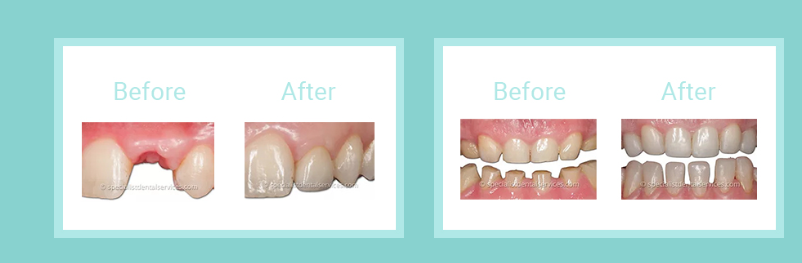
Used for minor cracks, chips, decay, or discoloration. The dentist roughens the tooth surface, applies a conditioning liquid, then shapes a tooth-coloured composite resin directly onto the tooth. A UV light is used to harden the material, which is then shaped and polished. This procedure usually doesn’t require anaesthesia, except when treating an associated cavity.
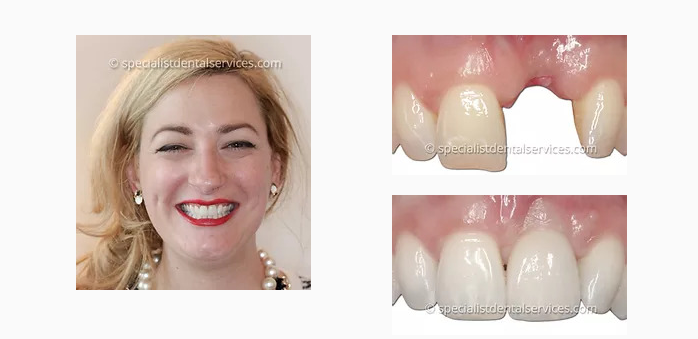
A crown is a custom-made cap that covers a cracked or fractured tooth, protecting it from further damage and decay. The dentist prepares the tooth under local anaesthetic, takes an impression to match its shape, and cements the finished crown into place — restoring both strength and appearance.
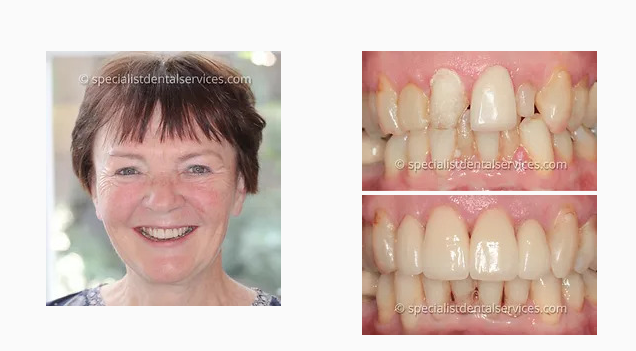
A thin porcelain shell bonded to the front of the tooth, used where a crack affects appearance more than structural strength. The tooth is lightly prepared, an impression taken to match shape, size, and shade, and the veneer is bonded and adjusted for a natural fit. Veneers can last up to 30 years with good care.
Needed when a crack extends into the tooth’s pulp, causing pain, swelling, or sensitivity. After an X-ray confirms the extent of damage, the dentist removes the infected pulp and nerve under local anaesthetic, seals the tooth, and typically fits a crown afterward for added strength. Root canal treatment can save a tooth that would otherwise need extraction.
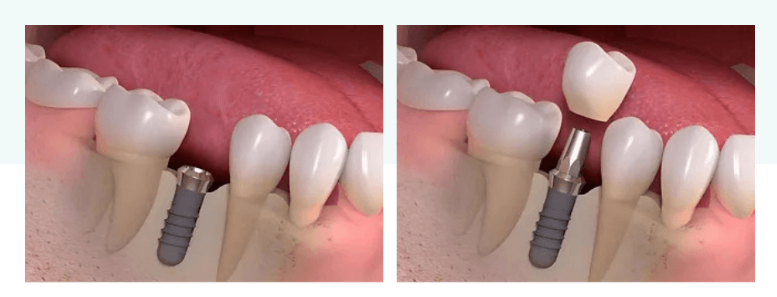
Used when a crack extends below the gum line and the tooth can’t be saved. The damaged tooth is removed, and a biocompatible titanium implant is placed in the jawbone to act as a new root. After 12–16 weeks of healing, the dentist fits a custom abutment and crown to complete the restoration.
A cracked tooth won’t heal — and every bite puts pressure on the fracture, allowing bacteria to work deeper into the tooth over time. Left unaddressed, this can lead to:
Acting early keeps more treatment options — like bonding or a crown — on the table, rather than needing root canal treatment or extraction later.
Can a cracked tooth heal on its own? No. A crack in tooth enamel or dentine does not repair itself, and delaying treatment usually allows the crack to worsen.
Is a cracked tooth a dental emergency? It depends on severity. Sudden trauma, severe pain, or swelling needs same-day attention; milder cases should still be seen within a few days rather than left indefinitely.
Does a cracked tooth always hurt? No — some cracks, such as craze lines, cause no pain at all and are only found during a check-up. A lack of pain doesn’t necessarily mean a crack is minor.
What’s the difference between a chipped and a cracked tooth? A chip removes a small piece of enamel and is largely cosmetic. A crack is a fracture that can extend deeper into the tooth and, if untreated, toward the root.
Can I fix a cracked tooth myself at home? No — and you should never use household glue on a tooth. You can manage discomfort with a cold compress, salt water rinse, and over-the-counter pain relief until you’re seen by a dentist.
Contact Specialist Dental Services for a professional cracked tooth diagnosis and treatment plan.

Shakeel is one of the leading dentists in london, Consultant and Honorary Clinical Professor at The Royal London Dental Hospital, Barts Health NHS Trust and Queen Mary University of London. Shakeel specialises in treating patients requiring complex and advanced restorative treatment including surgical placement and restoration with dental implants.
Posted On : May 3, 2023
MORE DETAILS
ADDRESS: 94 HARLEY STREET, LONDON, W1G 7HX
TEL: 020 7580 4200 | SMILE@SPECIALISTDENTALSERVICES.COM
Fields with (*) are required.
Please contact us via this website or email without disclosing confidential information.


 LIKE
LIKE
 COMMENT
 SHARE
SHARE