

Most people are familiar with the dental implant procedure, where the dentist drills into your jawbone, inserts an implant, places an abutment, and then places a crown over it. In some cases, however, dentists recommend you go through a sinus lift procedure before getting an implant.
But what exactly is this procedure, and why do you need it before the implant?
This article details the ins and outs of a sinus lift procedure, highlighting its key aspects, costs, and more.
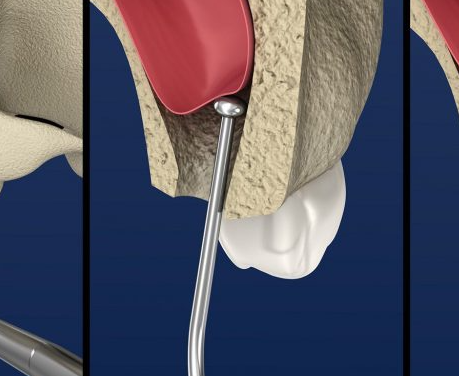
A sinus lift also known as a sinus augmentation or sinus graft, refers to a minor surgical procedure which aims to add more bone mass to your upper jaw especially near the molars or premolars.
This procedure can be a viable option for people who wish to get a dental implant but unfortunately do not have a very thick or tall jawbone in the upper part of the mouth.
A 15-year retrospective study has revealed that the success rate of dental implants after sinus lift with grafting stands at about 97.2% over the follow-up period.
The maxillary sinuses are air-filled spaces that sit above your jawbone. Over time, these can move downward due to bone loss. This downward movement makes implant placement unfeasible for some patients.
This is where a sinus lift comes into the picture. In this procedure, the surgeon makes an incision in the jawbone, moves the sinus membrane upwards, and places bone graft material inside the empty space. This enhances the height of the bone, which allows them to place the implants later without damaging the sinus cavities.
In most cases, doctors recommend a sinus lift to patients who do not have sufficient bone height or density in the upper jaw to integrate dental implants in a secure fashion.
The bone in your upper jaw can shrink for several reasons. This can cause the maxillary sinus cavity to expand downwards and that creates issues when you have to perform the implant placement.
A sinus lift gently elevates the sinus membrane, creating space for the precise placement of bone graft material within the cavity. This process restores lost bone height, establishing a stable and durable foundation for dental implants.
Professionals recommend a sinus lift surgery to patients who have less than 4 to 6 millimeters of bone height in your upper jaw.
The bone loss in your upper jaw and right below the sinus membrane can occur due to the following reasons.
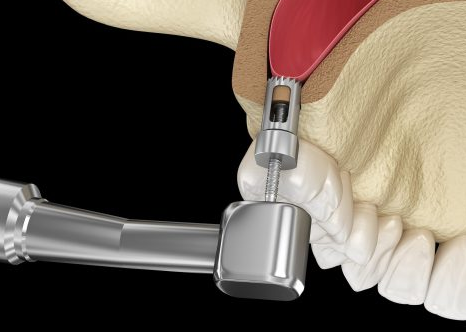
If you are about to undergo a sinus lift ahead of a dental implant procedure and feel unsure about what to expect, the following step-by-step overview will help you feel informed and confident before treatment.
• The journey begins with advanced imaging. Your clinician will take detailed X-rays or an iCAT scan to capture a precise 3D view of your jaw and sinus anatomy. This allows them to accurately assess existing bone volume and determine whether a sinus lift is necessary.
• On the day of the procedure, your comfort is prioritised. Local anaesthesia is administered to ensure a relaxed and pain-free experience throughout. There is also the option of oral or IV sedation, which can help you relax and ease dental anxiety.
• Once anaesthetised, the surgeon creates a small incision in the gum tissue to expose the bone. A delicate opening is then made in the jawbone, providing access to the sinus cavity.
• Through this access point, the sinus membrane is gently lifted upwards, creating the space required for bone grafting. The graft material—sourced from your own body, a donor, or bovine-derived materials—is then meticulously placed into this area.
• Finally, the site is closed with fine sutures, marking the beginning of the healing phase. Over the following six months, the graft material naturally integrates with your existing bone, forming a strong scaffold for new bone growth and creating a stable foundation for a dental implant.
Recovery following a sinus lift is typically smooth and well-managed, with the initial healing phase lasting around three to seven days. During this time, mild swelling and occasional bruising are expected, often peaking within the first 72 hours before gradually subsiding.
Careful aftercare is essential to protect the integrity of the graft:
• Avoid blowing your nose for at least two to four weeks to prevent pressure on the sinus area
• Refrain from using straws, as suction can disrupt the surgical site
• Do not smoke, as it can significantly impair healing and affect the success of the graft
• Follow a soft food diet in the initial days to minimise strain on the area
• Keep your head elevated, particularly within the first 48 hours, to help reduce swelling
Most patients begin to feel back to normal within two to three weeks. However, beneath the surface, healing continues at a slower pace. Over the following three to nine months, the graft material integrates with your natural bone, forming a strong and stable foundation for long-term implant success.
The cost of a sinus lift procedure is not commonly funded by the NHS. You have to get this procedure privately, and the exact cost depends on several factors. Here are some notable ones.
You can get a closed sinus lift for about £600 – £1,200 in the UK. The cost of an open sinus lift is between £1,200 and £2,500. For more complex cases, the cost ranges from £2,500 to £3,500+.
You also have to pay additional charges for some services. Here is what you can expect to pay when you get a sinus lift surgery from specialist dental services in the UK.
Many patients who are about to get dental implants first get a sinus lift surgery. This procedure enhances the success rate of your dental implants in case you don’t have enough jawbone mass to host the implant.
The cost of this procedure can range from a few hundred to several thousand pounds in the UK, based on the complexity of the procedure, type of bone graft material, and the location or experience of the surgeon.
However, the long-term positive effects of this procedure, such as future bone loss prevention, restored aesthetics, and enhanced implant survival rate, etc., far outweigh the costs. This is what makes a sinus lift surgery a lifesaver for so many patients who wish to get an implant treatment to restore their oral health.
Visit us at Specialist Dental Services today to get a sinus lift surgery from experienced dentists in the field to increase the success rates of your dental implants and to enhance overall oral hygiene.
On average you have to pay between £600 and £3,500 per side for a sinus lift procedure in the UK.
The NHS doesn’t cover the cost of a sinus lift as it is mainly a supportive procedure for dental implants. In some rare cases, like congenital deformity, cancer, etc., the NHS decides to fund the procedure if the patient meets a certain criterion.
A sinus lift is not necessary in every case. When there is sufficient bone height and density in the upper jaw, dental implants can often be placed without the need for additional procedures.
However, in situations where bone volume has diminished, a sinus lift may be recommended to create the support needed for successful implant placement. By restoring lost bone in this area, the procedure helps ensure long-term stability and optimal outcomes for your dental implants.
Initial recovery typically takes one to two weeks, with any swelling or discomfort settling during this time.
Full healing, however, takes longer. Over the following four to twelve months, the bone graft integrates with your natural bone, creating a stable foundation for dental implant placement.
The implant success rate falls in the 85% to 97% range after you get a sinus lift.

Posted On : March 27, 2026
MORE DETAILS
ADDRESS: 94 HARLEY STREET, LONDON, W1G 7HX
TEL: 020 7580 4200 | SMILE@SPECIALISTDENTALSERVICES.COM
Fields with (*) are required.
Please contact us via this website or email without disclosing confidential information.


 LIKE
LIKE
 COMMENT
 SHARE
SHARE