

Clinically reviewed by Prof. Shakeel Shahdad, Consultant & Honorary Clinical Professor, The Royal London Dental Hospital, Barts Health NHS Trust | Last updated: July 2026
● Dental implants have a success rate of around 95%, but failure risk is never zero.
● Warning signs include persistent pain, implant mobility, swollen or bleeding gums, difficulty chewing, and changes in bite alignment.
● Minor fixes cost £150–£500; more complex repairs involving bone grafting or implant removal cost £2,000–£5,000 per implant; full-mouth implant failure can run £20,000 or more.
● Around 70% of implant failures happen within the first year — spotting early signs is the single biggest factor in keeping repair costs down.
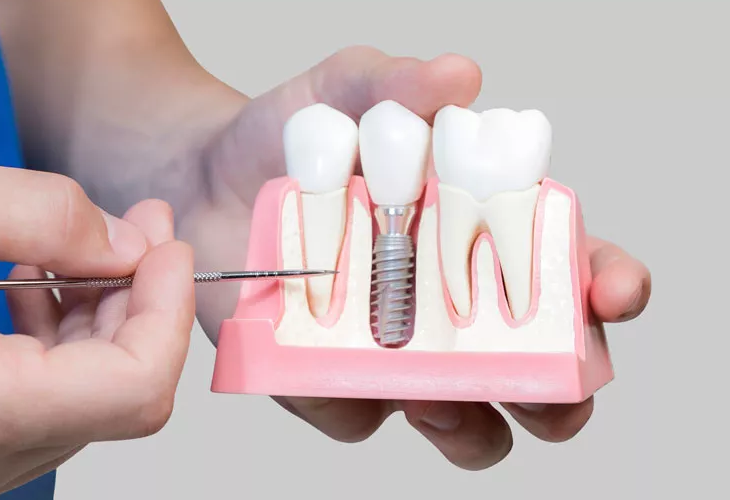
A dental implant treatment has a success rate of about 95%. This makes it among the most durable solutions for the treatment of tooth loss. However, the risk of implant failure is never zero.
Some key warning signs of failed implants include persistent pain, swelling, bleeding, loose implants, or difficulty chewing. Implant failure can happen due to many causes such as poor oral hygiene, jawbone loss, smoking, underlying medical conditions, or improper implant placement, to name just a few.
In the UK, the cost to fix minor dental implant failure ranges from £150 to £500. For more complex procedures that involve bone grafting or implant removal, the cost can range from £2,000 to £5,000 for single implants. The cost of a full mouth dental implant is about £20,220 for one arch.
It is very important to understand the key causes or symptoms of dental implant failure along with its costs. It can help you get the best treatment that ensures your implants last for years without failure.
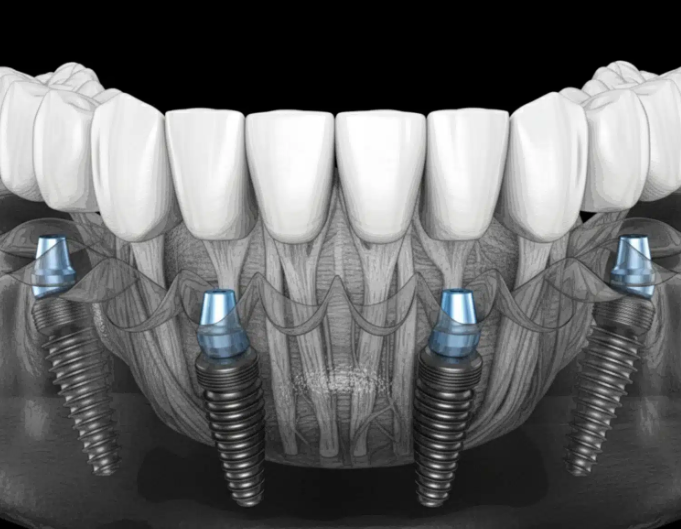
Dental implant failure is a phenomenon where your dental implant fails to integrate with the jawbone or detaches from the jawbone after some time. The implant loses its stability, which affects your oral health and comfort significantly.
Dental implant failure can happen either shortly after the placement or several months or even years later. Recent evidence shows that the rate of failure of dental implants is about 2-4% in the first year, 3-5% in 5-10 years, and 8-12% in 20 years.
Early implant failure happens when the implant is not able to bond with the jawbone. It appears within 3 to 6 months of the implant placement. The reasons for this type of failure include poor osseointegration, surgical complications, infections, excessive movement while the implant heals, etc.
On the other hand, late implant failure develops after months or several years of treatment. It can happen due to injuries, trauma, peri-implantitis, progressive bone loss, and poor oral hygiene.
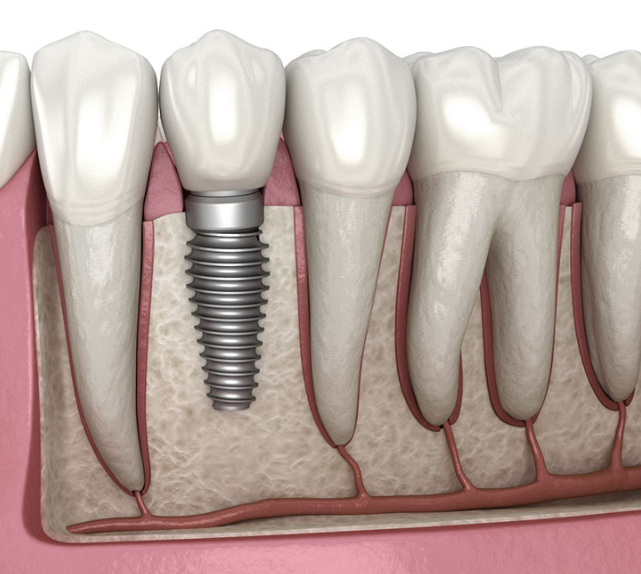
For better treatment outcomes, it is so important that you recognize the early signs of failed dental implants. Some key signs of implant failure include bleeding on probing, suppuration or pus discharge, swelling of the surrounding tissues, bone loss, implant mobility, and persistent inflammation.
This section lists these key warning signs in detail.
If the site of the implant hurts persistently for weeks or months, you need to be aware. This happens due to implant instability or infections that indicate implant failure.
Another sign is the noticeable movement of the implant. Dental implants that do not fuse with the jawbone or become loose due to bone loss shift noticeably. This indicates implant failure.
Implant failure is also a possibility when your gums appear inflamed or swollen. In some cases, your gums also bleed persistently, especially when you probe the implant area.
Another sign that indicates implant failure is when you feel extreme pain even when you bite or chew relatively less hard foods. This leads to extra stress on your implants which triggers bone loss or infections.
You also need to look for persistent bad breath or signs of pus. Implant failure also comes with an unpleasant taste that doesn’t go away even when you brush regularly.
Your bite alignment also changes due to implant failure. Your bite becomes uneven. The implant crowns feel higher or lower in this case. This happens due to implant movement or changes in the bone density.
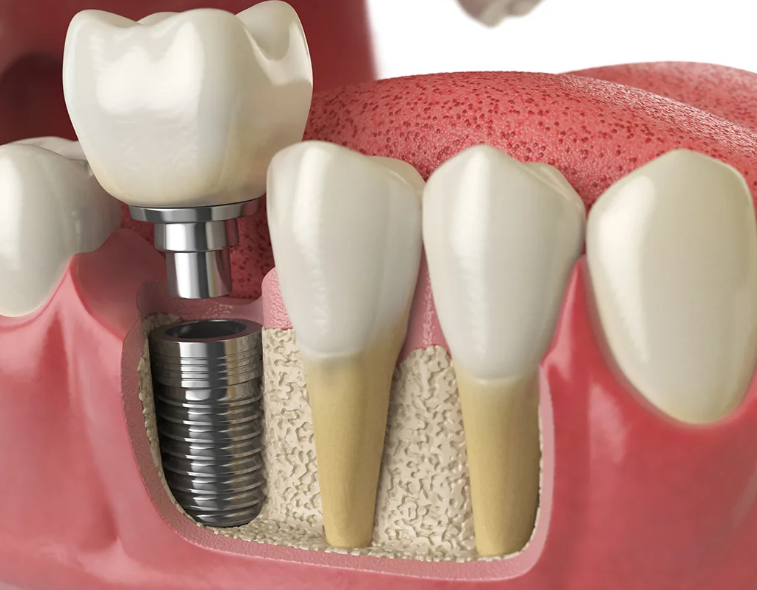
The cost to fix a failed dental implant depends on several factors such as the location of the implant, the complexity of the procedure, the amount of bone loss, and the overall extent of damage.
Here is a detailed breakdown of the cost of dental implant failure treatment if you choose specialist dental services in the UK.
| Treatment | Costs |
| Dental consultation | From £325 |
| Dental X-rays or CBCT scan | From £207 |
| Deep cleaning around the implant | From £150 to £500 |
| Hygienist – 45 min appointment | From £171 |
| Bone grafting | From £400 to £1,500+ |
| Implant removal | From £300 to £800 |
| Single Implant Crown with Implant Surgery, Abutment, and Crown | From £5,016 |
| Full Arch Implant Bridge (per arch) | from £20,220 |
| Complex revision treatment | From3,000 to £5,000+ |
Research shows implant failure in most people results from peri-implantitis or infection and inflammation, smoking, poor osseointegration, poor bone quality or quantity, mechanical overload and bruxism, or technical/prosthetic complications such as screw loosening or fractures.
This condition is the number one cause of late implant failure. Peri-implantitis is a bacterial infection that leads to the inflammation of the gums that surround the implant. In the worst cases, it causes the destruction of the bone that supports the implant, which also increases the cost of dental implants in the UK.
Poor oral hygiene habits also increase the risks of implant failure. If you do not brush or floss regularly and use the right techniques, it can lead to plaque accumulation. This also increases the risks of bone loss or infections around the implant.
This is another major contributor to early implant failure, according to most professional prosthodontists in the UK. Smoking restricts the blood flow which slows the natural healing process of your body. This makes you prone to loose implants or complete implant failure.
There are certain health conditions that affect your body’s ability to heal after the implant. There are some other health issues that directly increase the risks of complications.
Implant failure risks are high in people with uncontrolled diabetes or osteoporosis. Autoimmune disorders or certain medications that affect bone metabolism also lead to implant failure.
If you grind or clench your teeth often, it puts extra pressure on the implants. This not only damages the implant components like abutments or crowns but also weakens the bone that surrounds the implant.
Another major cause of dental implant failure is the poor placement of the implant. Poor alignment or inadequate angulation affects both the implant performance as well as the health of the surrounding structures. This leads to higher risks of implant failure.
Physical trauma as a result of accidents or sports injuries to the mouth that damages the implant or the bone that surrounds it can also lead to implant failure.
Implant failure is rarely down to a single cause, so responsibility usually falls into one of three areas: patient-related factors, clinical factors, or a combination of both.
Smoking, inconsistent oral hygiene, missed aftercare appointments, undisclosed or poorly controlled medical conditions (such as diabetes), and untreated bruxism all significantly raise the risk of failure — regardless of how well the implant was placed. Where these factors are the primary cause, responsibility for aftercare and any repair costs typically sits with the patient.
Inadequate treatment planning, incorrect implant positioning or angulation, poor case selection (placing an implant where bone quality or quantity wasn’t sufficient), and insufficient aftercare guidance from the dental team can also lead to failure. A reputable practice will assess these possibilities honestly as part of any failure review, rather than assuming the cause automatically lies with the patient.
In many cases, failure results from a combination of factors for example, a borderline bone density case combined with a missed follow-up appointment. This is why a thorough clinical assessment, rather than assumption, is the right first step whenever an implant shows signs of failing.
If you believe your implant failed due to a clinical error such as incorrect placement or a missed diagnosis, raise this directly with your dental practice first. Reputable clinics will review your case, explain what happened, and discuss next steps, which may include remedial treatment as part of their aftercare policy or warranty.
Dental implant failure is relatively less common. However, it is still very important that you notice the signs of implant failure early on. This can help you prevent invasive implant replacement and the long-term discomfort that comes with poor implant health.
The cost of fixing an implant in the UK ranges from £2,000 to £5,000 for a single implant. However, if you know what causes the failure and the early signs, it can help you minimize the implant restoration or replacement costs.
Just make sure to consult with an experienced dentist if you notice any of the signs of implant failure to get timely assistance. This will guarantee you are able to enjoy better oral health every single day.
Visit us at Specialist Dental Services (SDS) right now to book an appointment with our certified dentists who specialize in dental implant treatments that result in a natural look and feel of your teeth for years.

Shakeel is one of the leading dentists in london, Consultant and Honorary Clinical Professor at The Royal London Dental Hospital, Barts Health NHS Trust and Queen Mary University of London. Shakeel specialises in treating patients requiring complex and advanced restorative treatment including surgical placement and restoration with dental implants.
Posted On : July 24, 2026
MORE DETAILS
ADDRESS: 94 HARLEY STREET, LONDON, W1G 7HX
TEL: 020 7580 4200 | SMILE@SPECIALISTDENTALSERVICES.COM
Fields with (*) are required.
Please contact us via this website or email without disclosing confidential information.


 LIKE
LIKE
 COMMENT
 SHARE
SHARE