

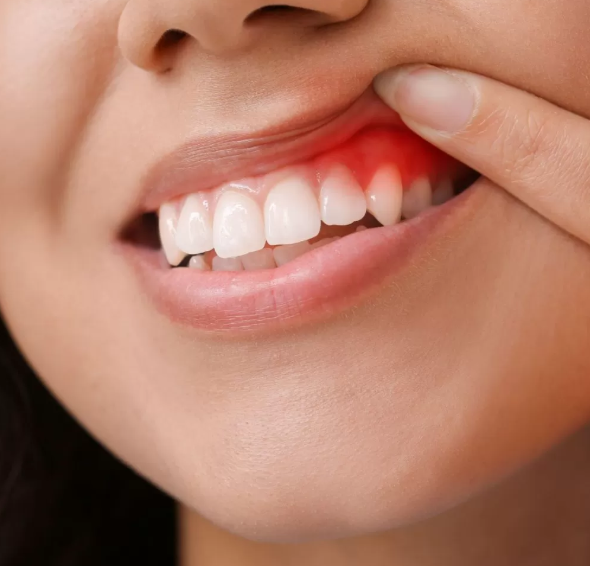
When it comes to oral health most people often ignore their gums until something serious happens to them. Gum diseases remain one of the most common human diseases globally, which affect roughly 1 in 6 people worldwide at any given time.
Gums are what keep your teeth stable, breath fresh, and overall oral health in balance. However, most people cannot tell a healthy gum from an unhealthy one. Research shows more than 80–85% of adults show some form of gingival recession or gum damage in their lifetime. In most cases, people don’t know they have gum disease until it is too late.
This blog lists major differences between healthy gums vs unhealthy gums. With this information, you can easily figure out if your gums are doing just fine or they need immediate medical care.
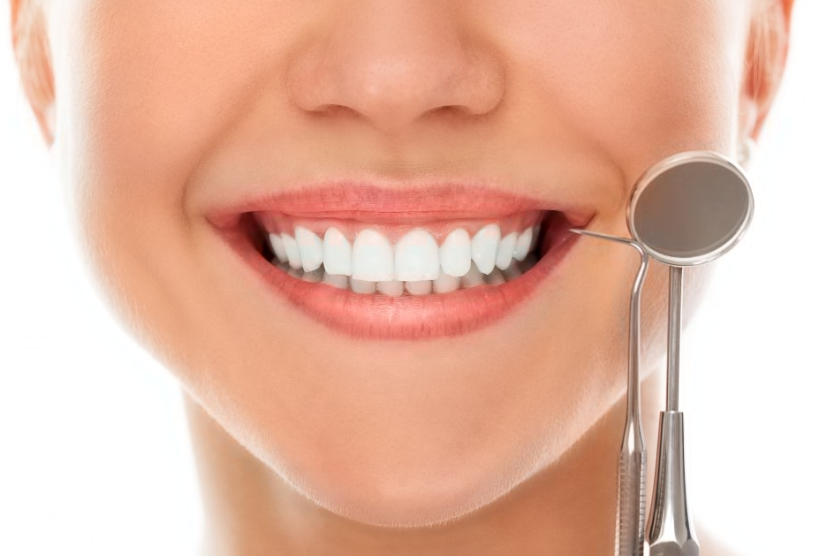
Research shows that about 1.07 billion people worldwide had periodontitis (a serious, progressive bacterial gum infection) in 2021 and overall periodontal disease cases are approximately 951 million to 1.06 billion people globally. Most of these cases happen because people do not have an understanding of the key roles that gums play when it comes to oral health.
Gums or gingival tissue are just like a protective barrier that surrounds your teeth from all sides. Your gums hold teeth firmly in place and protect their roots from bacteria. And not just that, but they also prevent plaque or debris from reaching deeper tissues.
Your gums also support the structure of the jawbone which gives your teeth greater structural stability. This means healthy gums both directly and indirectly lead to healthier teeth and overall better oral hygiene.
Now let’s get down to the most important question. What does a healthy gum really look or feel like? According to specialist dental services, here are some signs that show you have healthy gums.
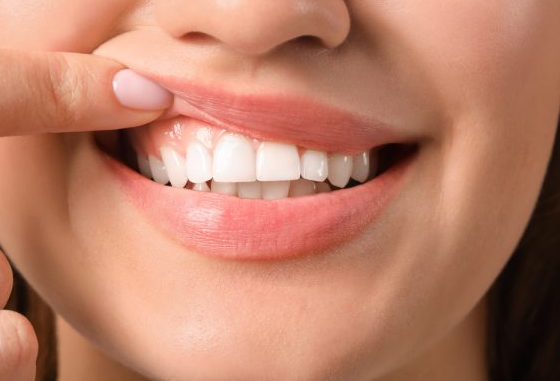
Healthy gums possess an even color tone without patches or discoloration. These gums are not overly white or red. In most cases, healthy gums appear light pink. But the colors can vary based on the skin tone or genetics of an individual.
A healthy gum fits tightly around the teeth. Healthy gums come in a slightly scalloped shape between teeth. Such gums are neither puffy nor rounded.
Healthy gums do not bleed when you brush, floss, or perform normal oral care.
A healthy gum doesn’t hurt when you touch it with the tongue or your finger. Your gum is healthy when it doesn’t feel sore during or after eating.
When you have healthy gums, your teeth feel secure. Healthy gums provide your teeth with stability and eliminate the loose sensation. There are also no visible gaps between the teeth when your gums are healthy.
An unhealthy gum leads to inflammation or infections. In worse cases, it also causes tissue damage. This is why early detection of unhealthy gums is extremely important.
Here is what an unhealthy gum typically looks like.
Unhealthy gums take up bright red, dark red, or purple color. In case of infections or irritation, you also notice pale or white patches on the gums.
If your gum appears large or puffy, you might need some treatment. Unhealthy gums tend to cover more of the tooth surface. These gums also feel soft to the touch, which indicates swelling.
If your gums bleed when you brush, floss, or eat hard foods, it is a major sign that you have some form of gum disease.
In some cases, gums tend to pull away from teeth. If your teeth look longer than normal and the sensitive areas near the roots become exposed, it is a major sign of unhealthy gums. Gum recession or uneven gum line is also a major cause of tooth instability and tooth loss.
If your breath smells bad even after you brush regularly, bad gums are a potential reason behind it. This bad breath results from active gum infections or food or bacteria buildup below the gumline.
Small spaces or pockets around the teeth also indicate unhealthy gums. This condition can lead to bacteria or food entrapment, which can further deepen these pockets.
Gum diseases do not happen overnight. They progress slowly and systematically. Here is what a typical gum disease progression looks like.
In most cases, unhealthy gums result from smoking, poor oral hygiene, diabetes, and cardiovascular disease. However, the exact cause can vary from person to person.
Here are some common causes behind unhealthy gums.
It is extremely important to know the difference between healthy and unhealthy gums. Unhealthy gums reflect poor oral hygiene which not only makes your gums and teeth look bad but feel very uncomfortable as well. Healthy gums are firm, stable, and sturdy. Unhealthy gums on the other hand are very sensitive, inflamed and painful.
An early detection of gum diseases allows you to restore unhealthy gums to their original state with minimal, non-invasive treatment. But if you fail to do so, the condition gets much worse which requires several procedures and many dentist visits.
So, make sure to adopt better oral hygiene habits and immediately contact your dental care professional if you notice issues with your gums.
Visit us at Specialist Dental Services to get professional treatments for a wide range of gum issues like gum recession, gummy smile, gingivitis, and more. Our expert teams use state-of-the-art tools and treatment approaches to ensure your gums and overall oral health stay in the best shape with lasting results.
Yes. Unhealthy gums trap food and bacteria which results in bad breath.
Common signs include bleeding, swelling, bad breath, tooth sensitivity, and soreness after eating.
Healthy gums are firm, and they appear to have an even pinkish tone. These gums do not bleed or feel swollen. Unhealthy gums are reddish, swollen, and they bleed after you brush, floss, or eat. These gums are also soft to the touch.
Plaque buildup along the gumline is a major reason your gums bleed. This buildup causes irritation and inflammation in your gums which leads to bleeding.
Yes. Untreated gum diseases can damage the tooth roots as well as the jawbones. This loosens your teeth, which results in tooth loss.

Shakeel is one of the leading dentists in london, Consultant and Honorary Clinical Professor at The Royal London Dental Hospital, Barts Health NHS Trust and Queen Mary University of London. Shakeel specialises in treating patients requiring complex and advanced restorative treatment including surgical placement and restoration with dental implants.
Posted On : May 5, 2026
MORE DETAILS
ADDRESS: 94 HARLEY STREET, LONDON, W1G 7HX
TEL: 020 7580 4200 | SMILE@SPECIALISTDENTALSERVICES.COM
Fields with (*) are required.
Please contact us via this website or email without disclosing confidential information.


 LIKE
LIKE
 COMMENT
 SHARE
SHARE