


Patients who have just had temporary dental fillings or are about to get them often ask a common question. How long do these fillings actually last? Temporary tooth fillings are a very common short-term dental treatment that protects your teeth until you get permanent restorative treatment.
Research shows that about 2.5 billion people globally have untreated tooth decay in permanent teeth. This decay results from poor hygiene and dietary habits. If left untreated, it can lead to visible holes in a tooth, brown or black stains, and tooth sensitivity.
Temporary dental fillings replace parts of the decayed teeth to prevent further damage before you become ready for further restorative dentistry treatments. This blog looks into temporary tooth fillings in detail. So, keep on reading to know how long these last and how you can prolong their lifespan and minimize complications.
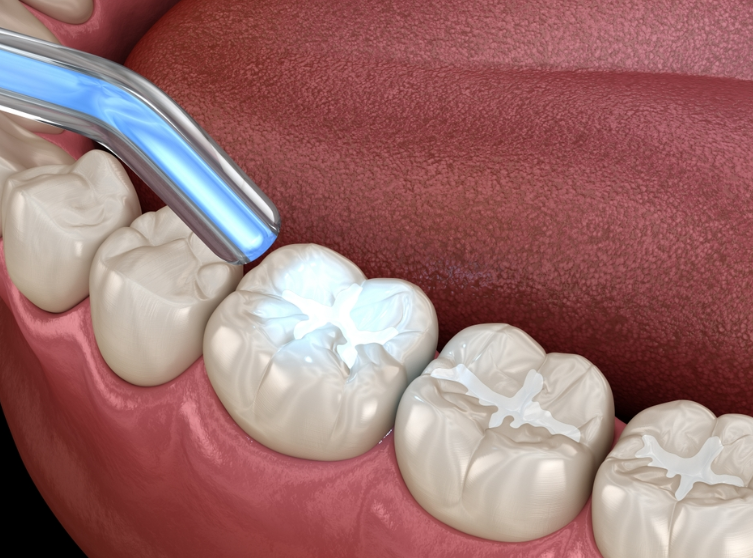
Temporary tooth fillings refer to short-term restorative materials that restore damaged teeth for a limited time while your dentist plans future procedures to permanently resolve dental issues. These fillings act like a protective barrier for your decayed teeth that need further treatment.
Temporary fillings are not meant to last long. These are less durable and more prone to fracture or leakage than permanent ones. Patients have to schedule follow-up appointments where dentists take these out and replace them with permanent ones.
Specialist dental services recommend this treatment in the following cases.
Process
The process of getting a temporary filling usually takes less than 30 minutes. The dentist uses a numbing agent on your teeth, gums, and surrounding areas. Then they remove the decayed parts of the teeth with a drill. In some cases, they also perform a root canal or some other dental procedure. Then they press the filling into your dental cavities and spread it to all the corners of the tooth evenly. Finally, they smooth out excess material and shape the tooth to finish the job.
Before we look into how long these fillings last, let’s first discuss some common materials that temporary dental fillings are made of.
This material has moderate strength. It breaks down after a few weeks. Dentists prefer this material for its tooth nerve soothing effects as well as mild antibacterial properties.
This filling bonds to the structure of the tooth which increases its lifespan. This material also releases fluoride which prevents further tooth decay.
This is another common material that dentists use in short-term situations requiring better strength. These fillings offer greater durability as well as aesthetics.
This material expands slightly once it sets. This is specifically used to seal the tooth in endodontic (root canal) work.
According to reputable healthcare sources, temporary tooth fillings can last from a few weeks to a few months. More precisely, they can last approximately 2–12 weeks typically, and up to about 3 months in less common cases.
The actual lifespan of these fillings is highly variable according to most cosmetic dentistry experts. Most of these fillings are designed so that they last at least six to eight weeks or until your next dental appointment for further treatment.
In some cases, with the right care, these fillings can also last longer than that. However, if you leave them for too long, these fillings either break down or fall out. This leads to further tooth decay, pain, and potential tooth loss if you do not contact your healthcare professional immediately.
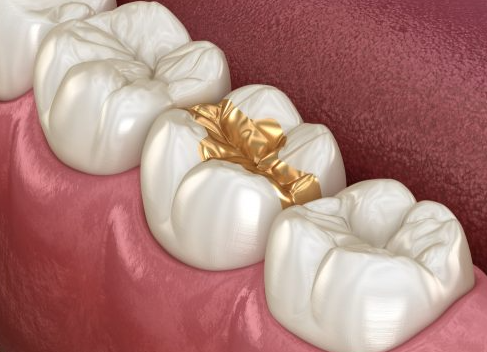
Research and reviews reveal that factors like material type (e.g., zinc oxide vs. calcium silicate like Biodentine), cavity size & surfaces involved (multi-surface fails faster), mechanical stress (chewing forces), and Oral hygiene affect the lifespan of temporary tooth fillings.
This section lists these and some additional factors that can affect how long temporary dental fillings last.
It is extremely important that you look for major signs that show your white tooth fillings are failing. This can help you take necessary preventive measures to eliminate the risks of further decay.
Here is what you need to watch out for.
According to dental health experts, it is possible to prevent the early failure of temporary dental fillings if you just pay attention to their proper care. Here are some things you can do to make these fillings last longer.
A temporary tooth filling can last from a few days to a few weeks with the right care. This filling is not meant to stay in your teeth for long, and that is why you need to schedule an appointment with the dentist to take it out as soon as the affected tooth becomes ready for further treatment.
Temporary fillings are only meant to provide you with short-term protection. For long-term improvement, you need to follow your dentist’s timeline for permanent restoration. This is the only way to make sure your teeth stay healthy and your overall oral health stays in the best shape for years on end.
Visit us at Specialist Dental Services right now to get the best quality cosmetic and restorative dental treatments that result in a natural smile, improved appearance, and optimal performance of your teeth for years on end.
Mild sensitivity is common after this treatment. But you need to contact a dentist if the pain becomes severe.
Some patients feel discomfort and pain while they eat or chew after the treatment. Very hot or cold liquids can also get under the filling and cause pain.
Dentists suggest you should avoid sticky or hard foods and stick to a soft diet while you have temporary fillings.
These include sharp tooth pain, sensitivity, gaps in the teeth, roughness or sharp edges in the mouth, and visible loosening or loss of filling.
Biting or chewing too hard causes these fillings to fall out. Poor oral hygiene or dietary habits can also cause this issue. Excessive grinding or teeth clenching can also cause tooth filings to fail.

Shakeel is one of the leading dentists in london, Consultant and Honorary Clinical Professor at The Royal London Dental Hospital, Barts Health NHS Trust and Queen Mary University of London. Shakeel specialises in treating patients requiring complex and advanced restorative treatment including surgical placement and restoration with dental implants.
Posted On : May 20, 2026
MORE DETAILS
ADDRESS: 94 HARLEY STREET, LONDON, W1G 7HX
TEL: 020 7580 4200 | SMILE@SPECIALISTDENTALSERVICES.COM
Fields with (*) are required.
Please contact us via this website or email without disclosing confidential information.


 LIKE
LIKE
 COMMENT
 SHARE
SHARE