
Dental pain which results from infections or tooth decay is a real nuisance that can make you miserable for days. Most dentists advise tooth extraction or root canal treatments to patients for these medical conditions.
Both of these procedures aim to lessen the pain and stop the spread of infections. However, these are different in terms of their methodology as well as long-term effects on your dental health.
The choice between these treatments determines your comfort level and overall dental health. This is why you need to understand which of these treatments is right for you.
This blog looks into tooth extraction vs. root canal treatment in detail. This article will help you pick the right approach that ensures better protection of your oral health. So, keep on reading till the end.
In this procedure the dentist completely removes an affected tooth from its socket in your jawbone. This treatment is the only choice when it is no longer possible or viable to save the actual tooth.
A retrospective pre-covid study shows 569,938 surgical tooth removal episodes in the UK in a period of 5years. Out of the total, about 87% removals were in adults and 13% in children ≤18 years.
Types of Extraction
Simple extraction works best for easily visible teeth. In this case there is no trouble accessing the teeth. First the experts from specialist dental services london numb the area. Then they use an elevator which is a lever-like appliance to loosen the teeth in your socket. Finally, they will use a tool called forceps to get the tooth out.
If the tooth is broken right at the gum line the doctor recommends surgical extractions. This treatment is also an option for teeth that haven’t fully erupted or are very hard to access due to limited visibility. The dentist may need to make incisions on the gum or cut the teeth into smaller pieces in this case.
After the tooth extraction you bite on a piece of gauze for about an hour. This allows a blood clot to form over the empty space.

Research shows that about 49.1% of tooth extractions result from dental caries. Other common causes are impactions, which account for 7.2%, remaining roots 18.5%, and periodontal diseases in 18.4% of the cases.
You need a tooth extraction in the following scenarios.
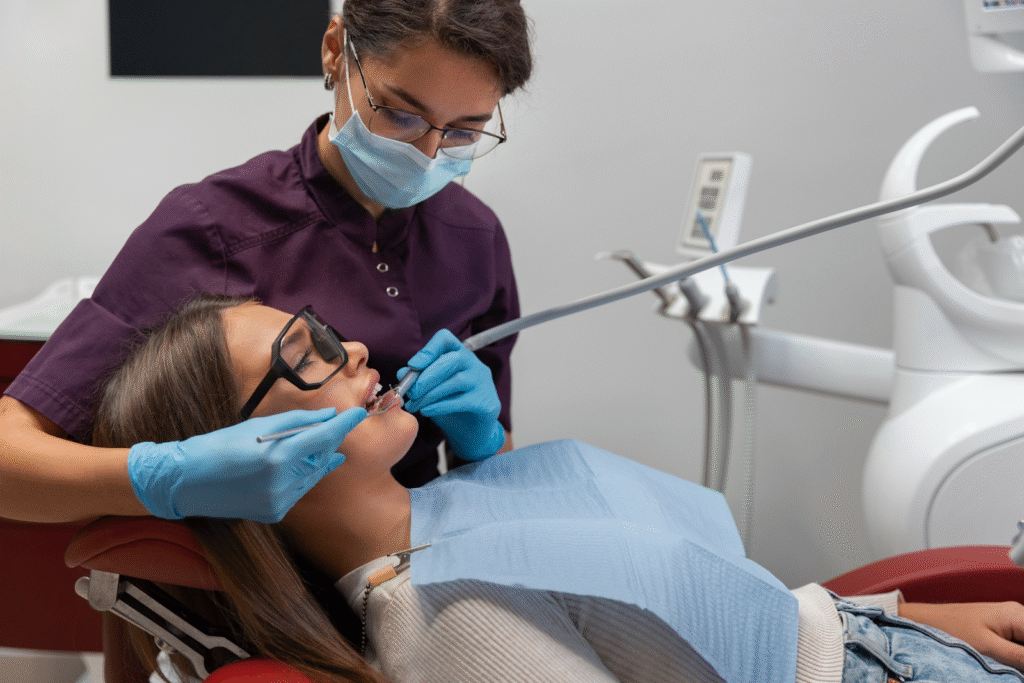
This is a common restorative dental treatment that can save a damaged or infected tooth. You can think of it as a deep internal cleaning of the root of your teeth.
A recent survey shows that in the US alone, more than 45% of people report having at least one root canal in their lifetime.
In this treatment the dentist first uses local anesthesia to prevent pain. They access the root through a small opening at the top of the tooth. This gives them access to the pulp.
This pulp contains nerves, blood vessels, and connective tissue which can get infected due to bacteria that accumulate in the cavities of cracked teeth. Then they remove the infected or inflamed pulp from the root of the tooth.
After that they disinfect the root canals and seal them with a biocompatible material like gutta-percha. Finally, they restore the tooth with a dental crown.
According to a report, more than 15 million people undergo root canal treatments worldwide every year. Here are a few cases when dentists recommend a root canal treatment.
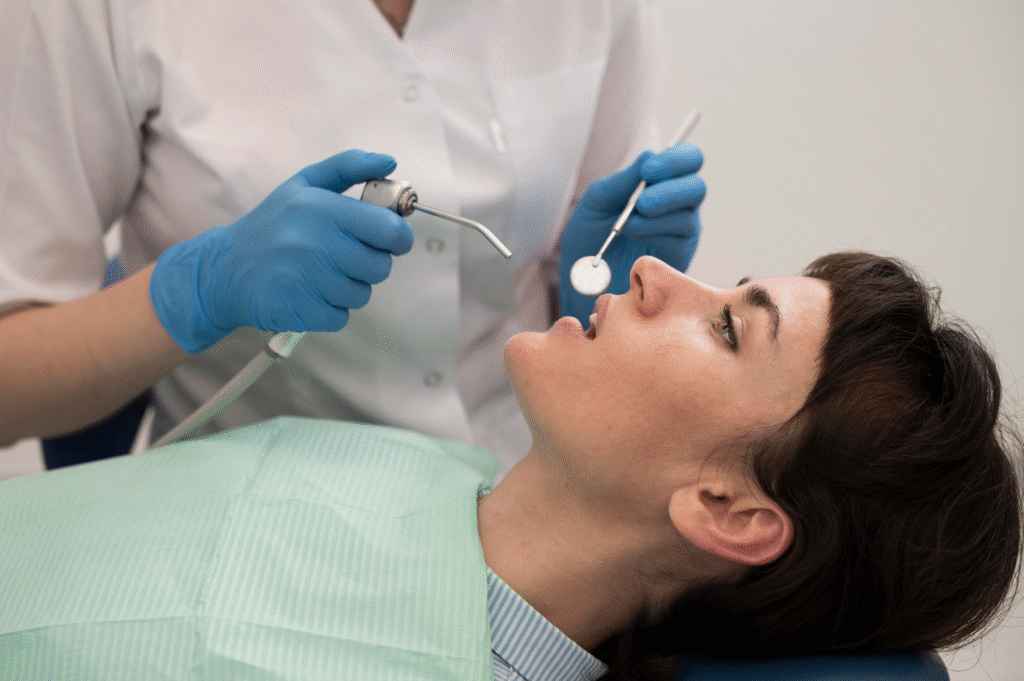
The following is some additional information that tells you what to expect during and after these treatments.
A standard tooth extraction takes about 10-20 minutes. For more complex procedures, the dentist needs about 45 minutes to extract the tooth. After this procedure, you may experience pain or swelling that lasts a few hours.
The root canal treatment in the UK takes about 45 minutes. It takes longer as the dentist has to carefully clean the tiny canals of your teeth. Complex root canal treatments can take 1-2 hours. Most patients experience tenderness or mild pain after this treatment. Over-the-counter tablets like Panadol or Nurofen can alleviate this pain.
You need to avoid eating or moving your mouth for a day after the extraction. This allows a blood clot to form over the empty space. The tooth heals after several weeks of treatment.
After the root canal, the dentist may put a dental crown over your teeth. You can resume normal activities after 24 hours of this treatment.
Here are some aftercare tips that can increase the effectiveness of these treatments.
The main objective of a tooth extraction or root canal is to get rid of the pain or prevent the spread of infection. These procedures protect your long-term oral health. If your tooth is intact for the most part dentists recommend a root canal treatment. This approach preserves your jawbone and protects your natural smile.
But if the damage to your teeth is extensive an extraction is a better choice. After this procedure the dentist suggests a suitable replacement for the lost tooth that involves minimal invasiveness.
Just make sure to consult a medical expert before you pick a treatment to save yourself from unnecessary discomfort. This guarantees you get the right kind of dental care that leads to long-term benefits for your oral health.
Visit us at Specialist Dental Services today to get the best root canal and tooth extraction treatments from experts in the industry.
You can eat a soft diet after just a few hours of the root canal treatment. After a few more hours, you can resume a normal diet. However with extraction you have to eat a soft diet for several days.
This can result in jawbone loss. It also causes your teeth to shift which gives rise to bite problems.
Root canal is always a wiser option if the damage is not too much. This treatment preserves your natural tooth which is not something you get with extraction.
After this procedure the dentist suggests suitable tooth replacement options to the patients. They recommend dental implants to patients who need natural aesthetics as well as durability. Patients with several missing teeth get bridges. People with multiple missing teeth get dentures or implant retained dentures or bridges
Expert dentists perform a root canal under local anesthetic. This means there is no pain while you go through the procedure.
The upfront cost of the tooth extraction procedure is less than that of a root canal. However the overall costs which involve this procedure plus replacement tooth treatment like an implant or bridge can get very high.

Shakeel is one of the leading dentists in london, Consultant and Honorary Clinical Professor at The Royal London Dental Hospital, Barts Health NHS Trust and Queen Mary University of London. Shakeel specialises in treating patients requiring complex and advanced restorative treatment including surgical placement and restoration with dental implants.
Posted On : February 3, 2026
MORE DETAILS
ADDRESS: 94 HARLEY STREET, LONDON, W1G 7HX
TEL: 020 7580 4200 | SMILE@SPECIALISTDENTALSERVICES.COM
Fields with (*) are required.
Please contact us via this website or email without disclosing confidential information.


 LIKE
LIKE
 COMMENT
 SHARE
SHARE