
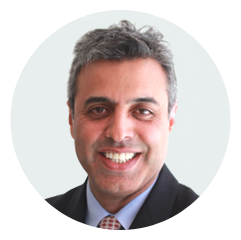
Clinically reviewed by Prof. Shakeel Shahdad, Consultant & Honorary Clinical Professor, The Royal London Dental Hospital, Barts Health NHS Trust | Last updated: July 2026
The British Dental Association (BDA) shares an important observation from its survey: a rise in UK patients traveling abroad for dental treatment as part of the growing dental tourism trend. Unfortunately, the burden of treatment failure and corrective care often falls upon UK dentists.
According to a survey of 1,000 dentists in the UK, 94% reported seeing patients who’d gone on dental trips abroad. Of these 94%, 86% of dentists have treated cases to address problems arising from the dental treatment. There are two common problem areas: (a) crowns, which require follow-up work, and (b) dental implants. The single biggest risk identified here is failure of the implant treatment itself, followed by pain and poorly done restorative work.
Let’s take a closer look at why UK patients travel abroad for implants and return home needing corrective dental treatment.
UK patients are traveling abroad for three big reasons:
Many patients return home needing additional treatment. While corrective care may not always mean the original implant has failed, it is often required due to (a) complications that develop during healing, (b) incomplete treatment planning, or (c) the need for long-term maintenance.
Dental implants require multiple visits. The typical treatment involves consultation and scanning, followed by surgical placement, 3–6 months of osseointegration, impressions, crown try-in, and final fit.
Patients who travel overseas often don’t have that much time available. As such, the clinic may compress steps that usually take 5–7 appointments into one or two visits. Such circumstances can force the clinic to take shortcuts in the treatment plan.
For instance, early loading is a compromise between healing time and functional requirements. Overload during early loading can result in microfractures around the implant site, which require corrective treatment.
Likewise, if (a) swelling, (b) infection, (c) bite problems, or (d) implant-related issues develop weeks later, patients have to seek treatment from a local dentist.
Many problems, including (a) infection, (b) delayed healing, (c) implant loosening, (d) nerve irritation, or (e) problems with the surrounding gums, can occur even when the procedure is completed properly.
In such cases, patients need to seek additional restorative treatment at home.
The implant itself may be stable. However, the bridge or crown attached to it can require adjustments. Moreover, a restoration that feels too high, uncomfortable, or affects your ability to bite can lead to (a) pain, (b) excessive wear on surrounding teeth, (c) difficulty chewing, or (d) teeth becoming loose or bits of your tooth breaking off. Local dentists then have to perform these corrections to restore comfort and bite function.
Dental implants rely on osseointegration, the process where the implant bonds with the jawbone. If bone grafting is rushed, insufficient, or skipped when needed, the implant does not integrate properly, leading to instability and eventual implant failure. You can read more about how a properly staged dental implant procedure is meant to work.
Below is a table comparing the costs of dental implants in the UK and other popular dental tourism destinations.
| Procedure | UK (private) | Turkey | Mexico | Hungary |
| Single tooth implant | £1,500–£4,500 ($2,000–$6,000) | $500–$1,000 | $700–$1,200 | $800–$1,500 |
| All-on-4 implants | £8,000–£18,000 ($10,000–$24,000) | $3,000–$8,000 | $6,000–$12,000 | $7,000–$13,000 |
| Full mouth dental implants | £10,000–£25,000 per arch ($13,000–$33,000) | $8,000–$20,000 | $12,000–$25,000 | $16,000–$28,000 |
For a more detailed breakdown of UK implant pricing, including all-on-4 implant costs and what’s included at each stage, see our full fee guide.
Most people only consider the treatment costs when choosing dental implants abroad. They do not account for flights, accommodation, and follow-up care.
Moreover, every country has its own set of rules and guidelines it adheres to. As such, there can be a huge gap in quality assurance, compliance, and compensation awards in case of mistreatment. Even if your treatment is covered under warranty, you will have to fly back to another country for corrective treatment, which will ultimately increase the total cost.
Patients who value clarity should think about these factors before booking their flights.
Can a UK dentist fix an implant placed abroad?
In most cases, yes. A UK restorative dentist can assess the implant, address infection or bite issues, and redo the crown or bridge if needed, though the corrective work is billed separately from your original treatment abroad.
Does implant warranty from an overseas clinic cover treatment in the UK?
Rarely. Most overseas clinics only honour warranties for corrective work carried out at their own premises, meaning you’d need to travel back for any covered repairs.
How much does corrective implant treatment cost in the UK?
It depends on what’s gone wrong; a crown adjustment costs far less than redoing a failed implant with fresh bone grafting. Our fee guide breaks down typical costs for restorative and implant work.
What are the signs an implant needs corrective treatment?
Persistent swelling, pain when biting, a loose-feeling crown, or visible gum recession around the implant are all signs worth having checked by a local dentist promptly.
Specialist Dental Services offer custom implants to restore your smile and function, including corrective treatment for implants placed elsewhere. Our durable implants offer exceptional longevity, helping you maintain your oral health for years to come. We plan your treatment carefully at every stage, from initial consultation through full-arch implants where needed, to ensure the best possible outcome for you. Get in touch to arrange a consultation.

Shakeel is one of the leading dentists in london, Consultant and Honorary Clinical Professor at The Royal London Dental Hospital, Barts Health NHS Trust and Queen Mary University of London. Shakeel specialises in treating patients requiring complex and advanced restorative treatment including surgical placement and restoration with dental implants.
Posted On : July 23, 2026
MORE DETAILS
ADDRESS: 94 HARLEY STREET, LONDON, W1G 7HX
TEL: 020 7580 4200 | SMILE@SPECIALISTDENTALSERVICES.COM
Fields with (*) are required.
Please contact us via this website or email without disclosing confidential information.


 LIKE
LIKE
 COMMENT
 SHARE
SHARE