

Bone loss in the jaw can be a big issue especially when you are about to get a dental implant. One effective treatment option for this issue is bone grafting which aims to rebuild your jawbone for the upcoming implant treatment.
There are different types of bone grafting including autografts, allografts, xenografts, or synthetic grafting which dentists choose after looking at the extent of bone loss or the overall oral health of the patient. Typically you can get a bone grafting treatment from specialist dental services in the UK for about £650 to over £5,500.
The recovery time for smaller bone grafts is between 3 and 6 months. For larger or more complex bone grafts it can take you about 6 to 9 months to fully recover. This blog covers the ins and outs of bone grafting for dental implants in the UK in detail. It covers its main types, recovery timeline, and the complete cost breakdown to help you make a better dental care choice.
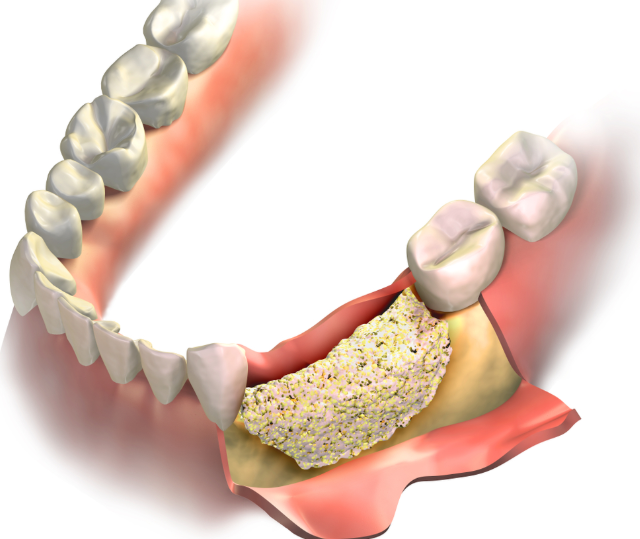
The cost of a bone graft treatment is not the same all over the UK. Several factors influence the price such as the clinic’s location, dentists’ expertise, type of bone graft material, and the overall complexity of the procedure.
Most patients in the UK can get this treatment for approximately £650 to over £5,500. The cost may vary if the dentist also includes the dental implant placement charges in this estimate.
Here are the possible dental fees you can expect for this treatment in the UK.
| Treatment | Charges |
| Initial consultation | From £325 |
| Digital X-rays | From £166 |
| 3D CBCT scan | From £207 |
| Minor bone graft | From £300 to £800 |
| Moderate bone graft | From £800 to £1,500 |
| Major bone graft | From £1,500 to £3,000+ |
| Synthetic bone graft materials | Often included or from £200 to £600 extra |
| Membrane for guided bone regeneration | From £150 to £500 |
| Sinus lift (if needed) | From 800 to £3,000 |
| Dental implants in London (per implant) | From £5,016 |
Bone grafting is a surgical procedure that aims to rebuild your lost jawbone before you get a dental implant. This procedure ensures you have sufficient jawbone that can support your dental implants for years.
Research shows that about 40% to 60% of dental implant patients need some form of bone augmentation before the dental implant procedure. Low jawbone density increases the risks of dental implant failure as in this case the implants fail to integrate properly with your jaw.
Another study shows that the survival rate of dental implants is about 92–97% after a bone grafting procedure.
Bone loss in the jaw can happen for a number of reasons. It can result from tooth loss that you leave untreated for an extended period or due to a dental trauma. Another reason for bone loss is an advanced gum disease known as periodontitis. Bone loss can also happen due to infections or natural bone resorption after tooth extraction.
Bone Grafting Procedure
Dentists can place smaller bone grafts in the same appointment where they place the dental implant. For larger bone grafts, you have to go through a certain recovery or healing period.
Here is how a typical bone grafting procedure follows.
Step 1: The dentist conducts a comprehensive clinical examination along with digital imaging for diagnosis.
Step 2: Then specialists administer sedation or local anesthesia.
Step 3: In this step, they prepare the grafting site by cutting the gum to expose the bone.
Step 4: Then the dentists place the bone graft material in the empty cavity of the jawbone. This material either comes from your own body, a donor, or synthetic sources.
Step 5: After that they place a protective membrane over the graft for stabilization.
Step 6: In this step they stitch the area carefully to finish the job.
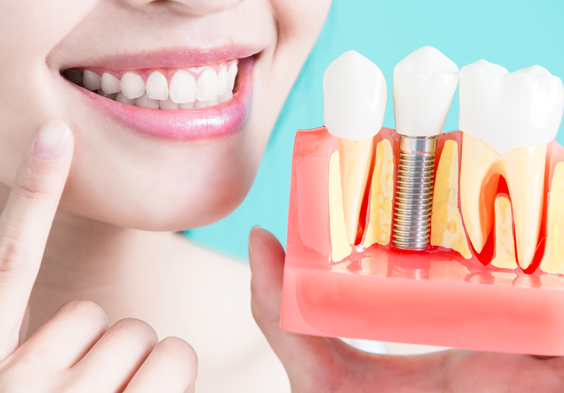
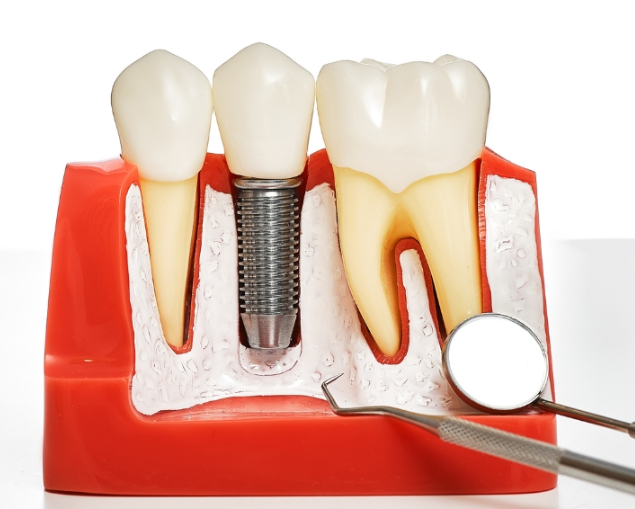
For a dental plant to last it has to integrate or fuse with the jawbone in a process called osseointegration. Without a certain bone volume the implant cannot achieve the stability it needs for long-term durability.
This is where a bone grafting surgery can help you a lot. This method rebuilds the lost bone structure. This creates a stable support for implants resulting in greater durability.
You also need to keep in mind that you do not always need a bone graft before an implant. Your healthcare experts determine its need after a digital X-ray or a 3D CBCT scan.
Here are some key types of bone grafts jaw surgery UK that you can expect to get before a dental implant.
In an autograft surgery specialists harvest bone from the patient’s own body. They obtain a small amount of bone from other parts of the jaw, chin, hip, or some other site.
This type of graft has living bone cells from the patient which results in excellent biocompatibility. This is what makes it a gold standard for bone generation.
In an Allograft procedure the jawbone belongs to some other human donor. Experts obtain this material through a certified tissue bank. Specialists carefully sterilize this material to minimize the risks of rejection. This treatment eliminates the need for a second surgical site which makes recovery faster.
A Xenograft is material that you derive from some other animal species such as a bovine. You remove the organic components from the bone which gives you a mineral scaffold that can support the bone of the patient. This process can help you maintain bone volume over time. This makes it a more suitable option.
This type of bone graft consists of synthetic biocompatible materials such as:
These materials encourage new bone growth without any risks of disease transmission. This method eliminates the need for surgical bone extraction or the trouble of finding a donor.
According to research, the recovery or healing time is about 3–6 months for most ridge preservation or minor grafts. The recovery time is about 6–9 months for larger grafts. The exact recovery timeline depends on the size of the graft or its location. Other factors like the complexity of the procedure or your healing ability also come into play.
In the first week of recovery you might experience some swelling or bleeding around the site of the bone graft. You might also notice some bruising along with a mild tenderness around the surgical area. These symptoms usually go away within a few days.
In this time the soft tissues start to heal. You also feel a reduction in discomfort. It is better to avoid strenuous exercises or physical activities at this time. This will ensure the bone heals quickly.
In almost 3 to 6 months the graft gradually integrates with your natural jawbone. It is also the time when new bone develops around the graft material. This creates a stronger or more stable foundation for your dental implants in the UK.
Bone grafting is an innovative procedure that makes dental implants accessible to almost everyone. This simple procedure can help you restore your jawbone which not only makes you eligible for a dental implant but also improves your long-term oral health.
However before you get this treatment it is important that you consult with an experienced dentist to weigh your options. This will help you choose the right type of bone graft that has the highest chances of success.
This way you can rebuild a healthier and stronger jawbone that is able to provide your implant with unparalleled stability for years on end.
Consultation with an expert in dental care will also help you learn more about the recovery timeline and proper oral care habits during this phase. This guarantees your bone graft gives you the best results without any complications.
Visit us at Specialist Dental Services right now to book an appointment with our licensed and fully trained dental surgeons that specialize in bone grafting for dental implants. Our experts use state of the art diagnosis methods and treatment tools to ensure high success rates of bone grafting and subsequent dental implants.

Shakeel is one of the leading dentists in london, Consultant and Honorary Clinical Professor at The Royal London Dental Hospital, Barts Health NHS Trust and Queen Mary University of London. Shakeel specialises in treating patients requiring complex and advanced restorative treatment including surgical placement and restoration with dental implants.
Posted On : August 13, 2026
MORE DETAILS
ADDRESS: 94 HARLEY STREET, LONDON, W1G 7HX
TEL: 020 7580 4200 | SMILE@SPECIALISTDENTALSERVICES.COM
Fields with (*) are required.
Please contact us via this website or email without disclosing confidential information.


 LIKE
LIKE
 COMMENT
 SHARE
SHARE